
The Science of Car Tyres Having a good set of tyres is a vital part of maintaining a car, because it provides the necessary grip and traction to the road. Good tyres also avoid introducing excess friction, which makes the car feel more responsive. As a result, drivers are able to make the best use of their car.
Tread depth
Good tyres are crucial to your car’s safety and performance. They not only grip the road, but they also reduce friction, making your car more responsive. In addition, good tyres will also reduce fuel consumption. Therefore, it’s important to keep your tyres properly inflated and maintained. There are many ways to ensure that your tyres are at their best.
The first step in ensuring that your tyres are in good condition is to check the tread depth. You can do this by checking the tread wear markers on the sidewall of your tyre. The minimum tread depth is 1.5mm, and if you see a tread that is more than 1.5mm deep, you should replace it. You can also check your tyres’ size by looking at the numbering on the sidewall.
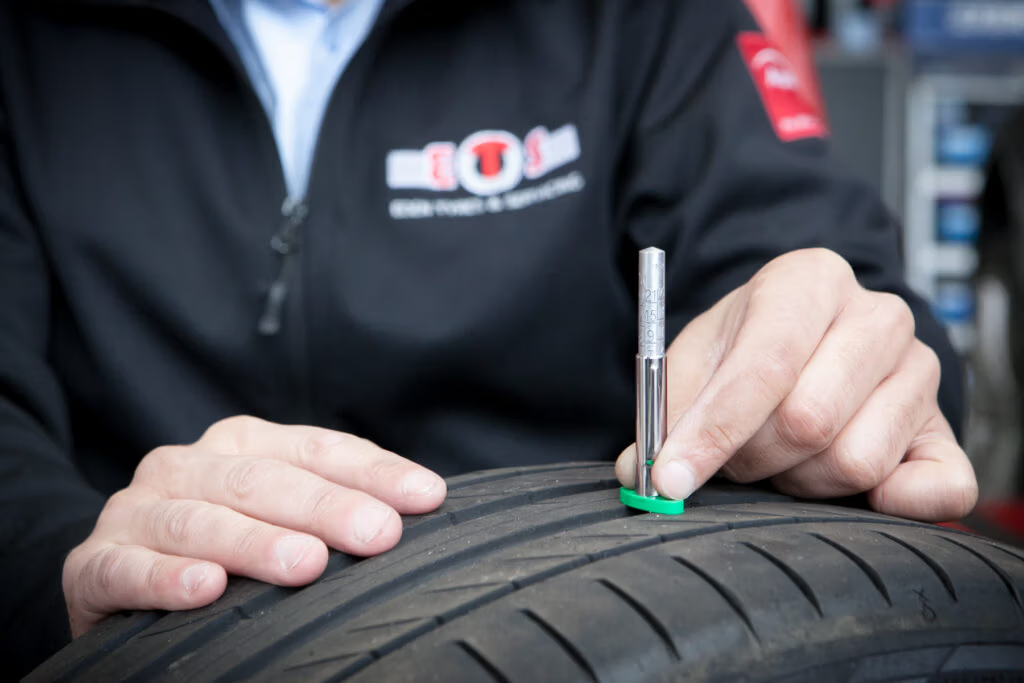
If you notice uneven tread wear, you should replace them as soon as possible. This will increase your car’s traction and safety, and make driving on wet surfaces easier. Also, a set of good tyres will improve the power distribution in your car.
Good tyres will also increase your vehicle’s safety by reducing the risk of aquaplaning in wet conditions. Older, worn tyres are more likely to aquaplane in such conditions. In addition, a good set of tyres will help your vehicle stay on the road on icy or frosty mornings.
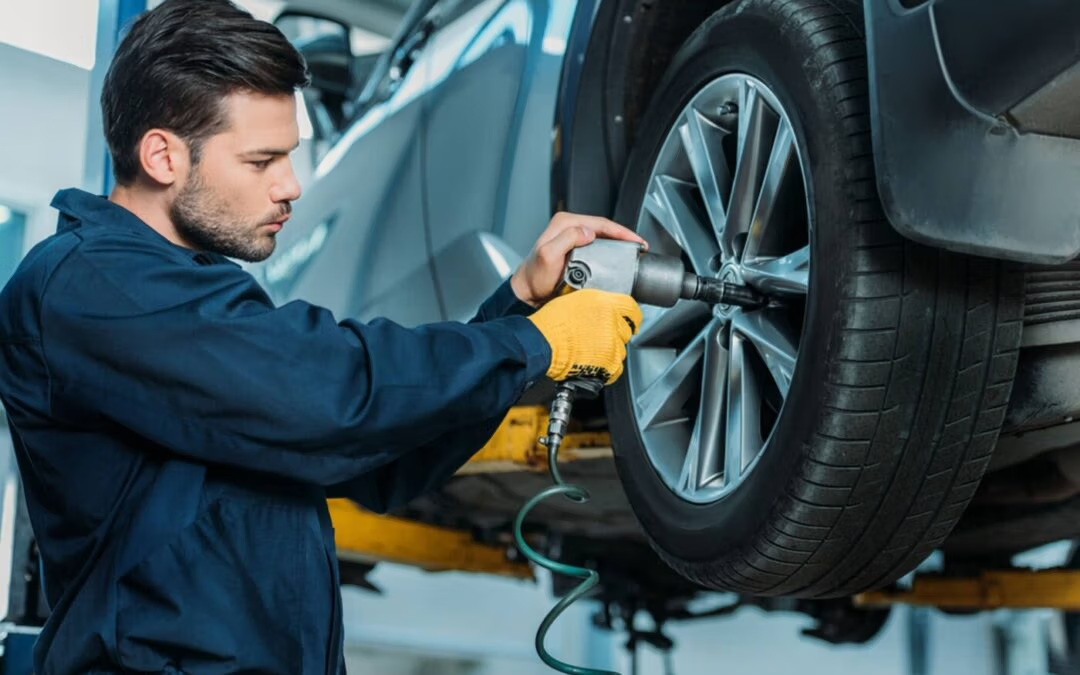
You should always change your tyres on a regular basis. You can take your car to a garage or do it yourself at home. The important thing is that you always pay attention to where you place them when changing the tyres. It’s also important to rotate them when changing a set of tyres.
In addition to changing the air in your tyres regularly, you should also pay attention to the tread depth on your tyres. A shallow tread can result in uneven wear and a low traction. Having a deep tread can also reduce your chances of having an accident.
A good set of tyres is important for safety and efficiency. Worn tyres can decrease fuel efficiency and lead to sidewall flex and body roll.
Proper Tyre Pressure
Tire pressure is an important part of maintaining the safety of your car. The recommended tire pressure is often printed on the car’s owner’s manual or on the driver’s side door. If you want to maintain the safest tire pressure, make sure to monitor your tire pressure throughout the year.
The recommended tire pressure for your car depends on the size of your vehicle and the type of tires you have. Small cars have a lower recommended pressure than larger vehicles, such as SUVs and vans. Generally, a medium-sized car will require about 30 psi, while a large car might need as much as 42 psi. Tire pressure is best checked before driving, especially if you plan to make a long trip.
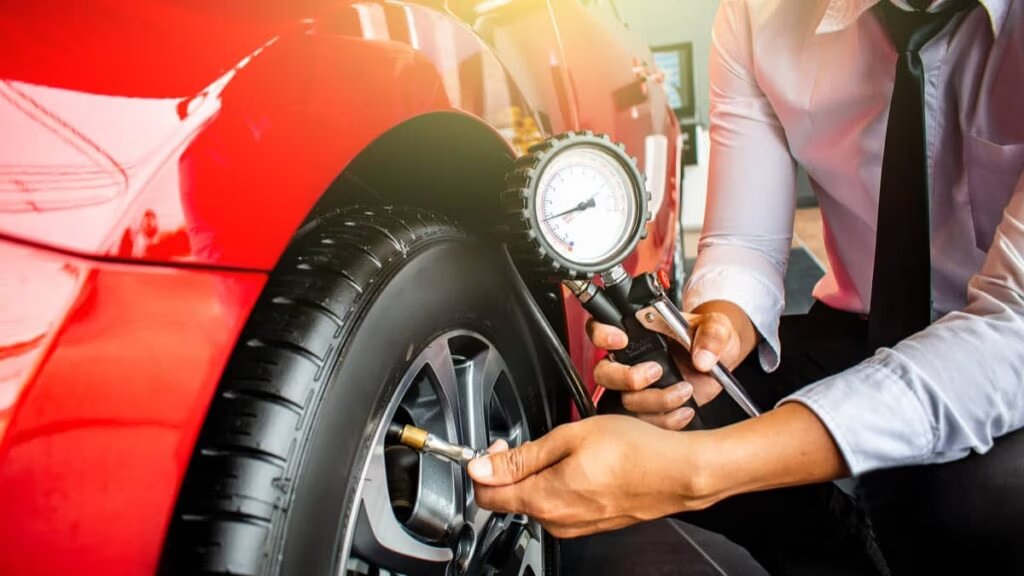
Check the tire pressure by placing the gauge on the valve stem. You should see a small bar come out of the gauge. The reading should match the manufacturer’s recommended tire pressure. Using a digital tire pressure gauge is more accurate, but they require batteries and eventually need to be replaced. Also, make sure to check the tire pressure after the tires have been sitting for a few hours. This way, you can get the most accurate reading and ensure the safety of your car.
Proper Tyre pressure also helps your car run more efficiently. The correct tire pressure will reduce fuel consumption by up to 5 percent. Having a low tire pressure can also cause your car to have a harder time starting. If you’re unsure about the proper tire pressure for your car, use a Treadwell to guide you through the process.
Keeping your car’s tires properly inflated can reduce gas costs and help keep you safe. It can also prevent a sudden flat tire. The National Highway Traffic Safety Administration estimates that a quarter of all cars have at least one tire significantly underinflated. It’s always a good idea to check your car’s tire pressure in the spare tire as well.
To check the tire pressure of your car, insert the tire pressure gauge into the valve stem. Press it a few times to get the proper reading. If the pressure is higher than the recommended value, fill the tire with air until the appropriate PSI is reached.
Alignment
If you own a car, wheel alignment is a critical step in keeping your vehicle in good condition. Proper wheel alignment helps ensure optimal performance of your tyres and prevents unnecessary wear and tear on vehicle components. It also increases tyre life and improves overall handling performance.
Alignment is a process that makes sure that the wheels are properly angled and are centered in wheel wells. It ensures a smooth ride and proper road contact. By getting a wheel alignment, you can ensure the longest life of your tires and maximize gas mileage. Even if your car has brand-new tyres, it is important to have your vehicle aligned at least once a year to ensure optimum performance.
Wheel alignment involves mechanical adjustments to your car’s suspension. This will affect the direction and angle at which your car’s tyres make contact with the road surface. Your vehicle’s manufacturer will specify the optimal wheel alignment for your vehicle. It will affect your car’s performance, handling, and safety. A properly aligned car’s wheels will also have lower friction and rolling resistance, improving gas mileage and ensuring your safety.
Wheel alignment is one of the most important aspects of a vehicle’s performance. Properly aligned wheels can increase a vehicle’s cornering ability while reducing understeer. Correct wheel alignment will also increase the efficiency of your fuel-efficient engine, improve your vehicle’s handling, and reduce braking distances.
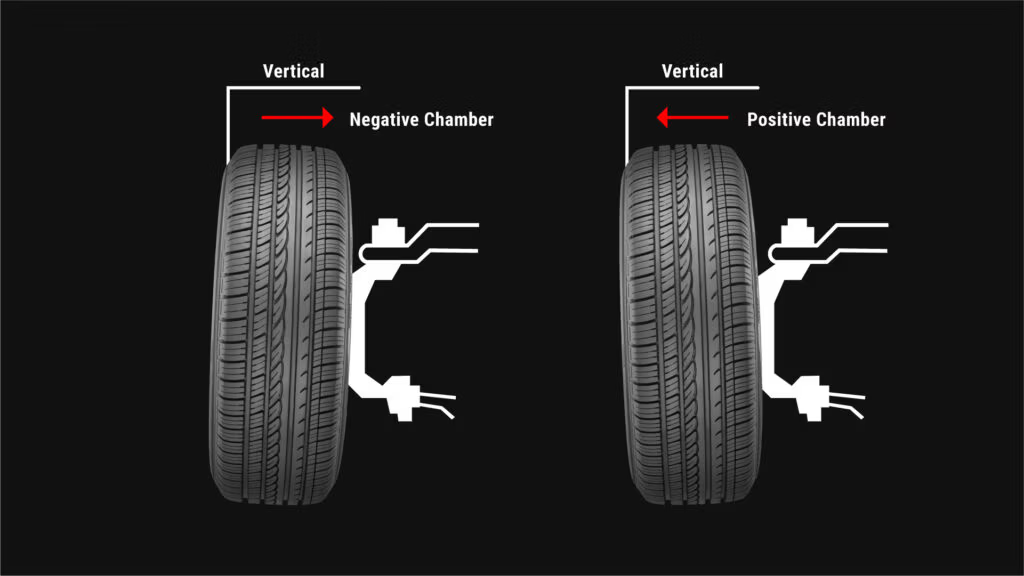
A proper camber angle will also help your car handle corners properly. Proper camber angles will increase cornering grip and increase the life of your tyres. Incorrect camber can also result in a ring of wear towards the tyre’s edge.
You can check your alignment by driving on a level, flat road. If you notice uneven tire wear, you may have a wheel alignment issue. The steering wheel is vibrating; you may need alignment correction. However, this won’t solve your tire noise problem. Also, you should consider if you notice moderate to severe edge wear. This can indicate that the camber or toe angle is out of balance.
In addition to wheel alignment, your car suspension system is also important for the performance of your tires. Proper suspension and steering angles allow for better tire contact with the road. When the suspension and steering systems don’t work correctly, the tires can get out of alignment and cause uneven wear and tear.
Rotation
Whether you’re planning to replace your tyres every year or just want to keep them as new as possible, rotation of your car tyres can help you make sure that your car’s performance stays at its peak. Rotation is simple and doesn’t require special tools or much time. However, the technique is most effective if you have the same sized tyres on all four wheels. Some vehicles have different sized tyres on their front and rear axles, so you’ll have to follow the arrows on the sidewall. In addition, if you drive a front-wheel drive car, you may have to dismount and rebalance your tyres.
Another benefit to tyre rotation is that it ensures consistent wear on all four wheels and will save you money over time. You can rotate your car’s tyres every six months or every four000 miles. This simple practice can be done at any tyre service shop.
Rotating your car’s tyres also ensures uniform tread depth. This is important because tyres wear out differently depending on the wheel alignment. The front wheels are subjected to greater forces from steering, braking, and acceleration, so they wear out more quickly. A problem with the wheel alignment can cause uneven wear on your front tyres, which is why it’s important to address the underlying cause before rotating your car’s tyres.
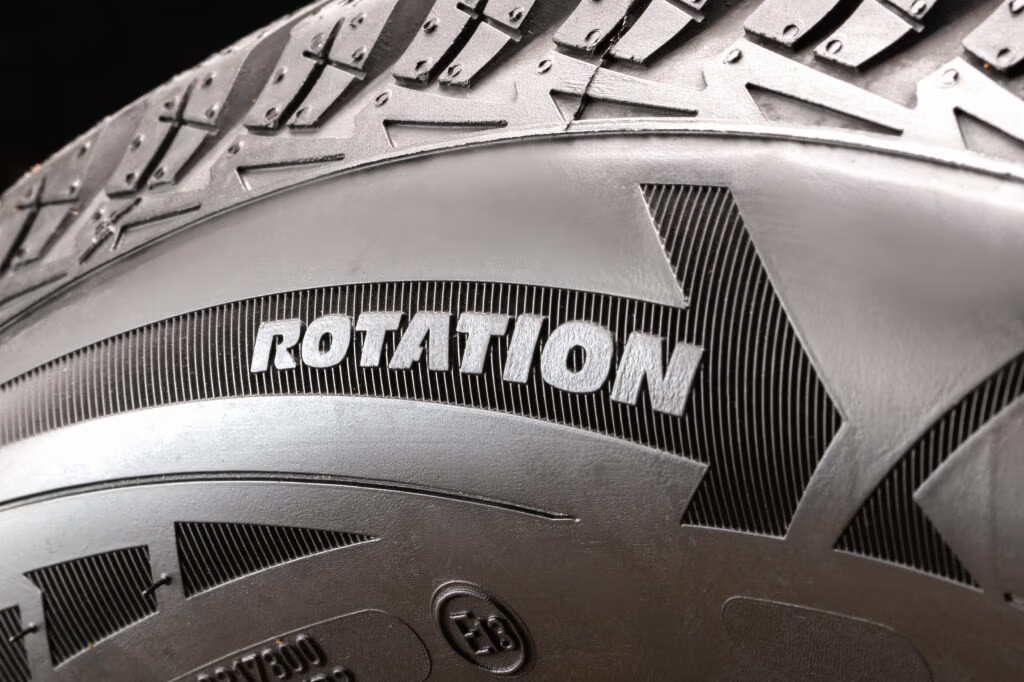
EV Vehicles are hevier than convential Vehicles so much sure that you Fit The Correct Tyres as The Sidewalls Are Reinforced
In addition to helping your car’s ride quality, rotating your tyres regularly can improve your car’s fuel efficiency. It will also ensure uniform tread depth, which will improve your car’s braking and cornering performance. Also, evenly worn tyres can help reduce drag and prevent the car from suffering from engine strain.
Front Wheel Drive Vehicles
For front-wheel-drive cars, you can rotate your front tyres to the rear. In the rear-wheel drive, you need to reverse the rotation order. So, the front left tyre should become the front right tyre and vice versa.
Depending on your vehicle, you may have to rotate your car’s tyres frequently. For vehicles with front-wheel drive, you may want to rotate your tyres every 10,000 km or so. However, there are different patterns for different types of tyres, so make sure you ask your mechanic how often you should rotate them.
