
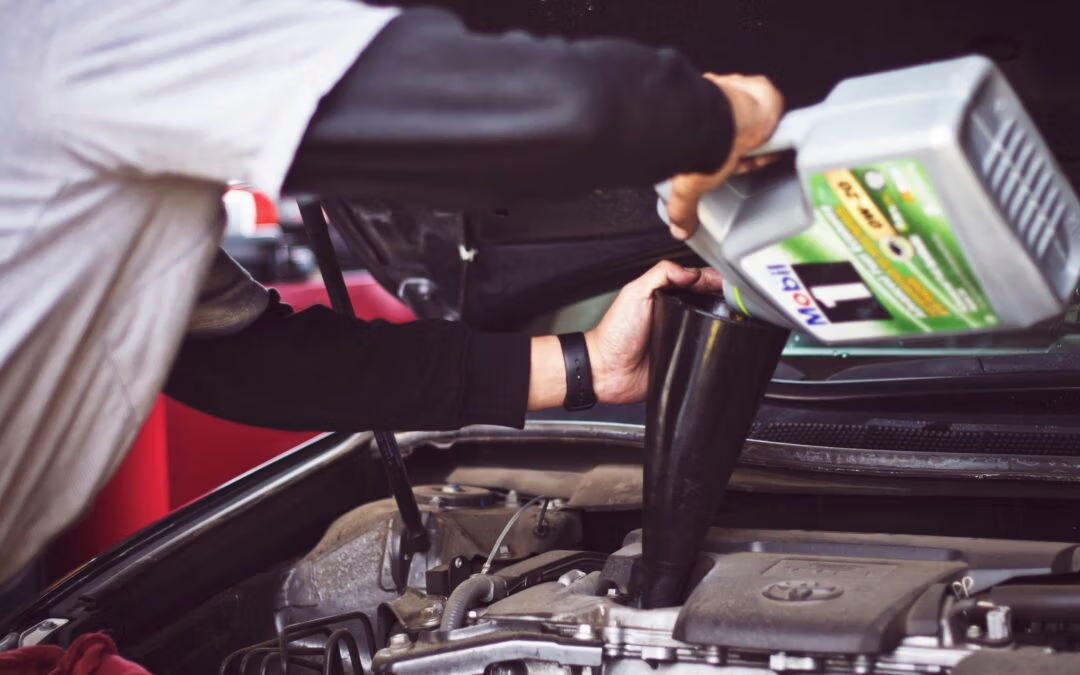
Poor vehicle maintenance can cause a variety of issues. These may include leaks under the car, poor steering, and even faulty parts. Having your tires checked often, maintaining your engine oil, and having your steering checked can help avoid these problems.
Tires
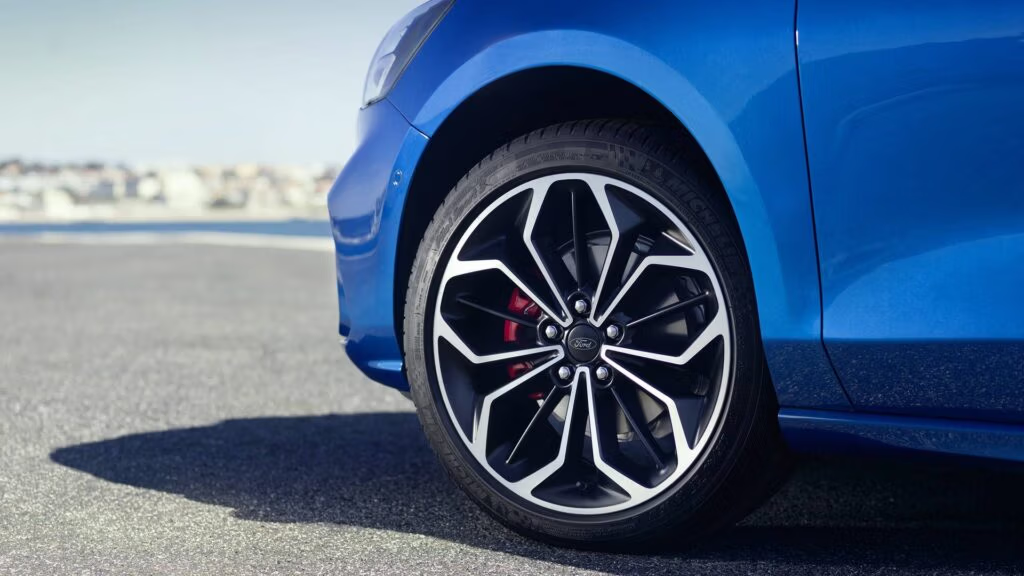
Tires are an important part of your car. They affect how well your vehicle handles, brakes, and accelerates. They also contribute to fuel costs and emissions. If they are damaged or underinflated, they can cause various problems, including uneven tread wear, understeering, and blowouts.
While most drivers don’t have an expert’s trained eye for troubleshooting, regular tire inspections are necessary for safety and protection. These are quick and easy; you can diagnose most problems by looking at your tires.
During a tire inspection, you should look for bulges and indentations in the sidewalls. These can be warning signs of internal or external damage. Indentations can be caused by a number of different factors, but they can be avoided if you find and fix them before they become dangerous.
Tires are usually built to withstand a certain amount of wear and tear before they are considered unsafe. When this wear and tear occurs, the tire loses its grip on the pavement. Consequently, it becomes more difficult to stop in cold or snowy weather.
The Most Common Problems Associated With Poor Vehicle Maintenance And The Extra Costs
Over time, tire manufacturers have begun to improve the quality of their products. However, sometimes, they fail to catch defects before they are released. Therefore, it is a good idea to check your tires’ condition monthly.
Besides preventing a blowout, keeping your tires properly inflated is essential to your safety and the safety of others on the road. Checking your tire pressure and tread depth can help determine if your tires are underinflated, overinflated, or overloaded.
Whether on the highway or in the city, a tire inspection is the key to keeping your car in top condition. Performing a quick and simple inspection can protect your safety and your car’s investment.
Steering
The steering system in your car can be one of the most complex systems, yet it can be extremely dangerous for drivers and passengers if it fails. A failure in the steering system can lead to a serious crash or even death.
Steering problems are often the result of damage to one of the major components of your steering system. If you suspect that you have a problem, contact an automotive technician. They may be able to diagnose and correct the issue for you.
While some steering problems are easy to fix, others require professional repair. These problems may be due to poor vehicle maintenance or a symptom of a more serious issue.
Some of the most common causes of steering problems are low power steering fluid, improper wheel alignment, or uneven tire pressure. All of these issues can make steering feel stiff and unresponsive.
Excessive play in the steering wheel is also an indicator of a problem. Excessive steering wheel play can reduce steering accuracy, increase the risk of accidents, and make defensive driving difficult.
A loose or worn steering rack can also cause steering issues, such as the steering wheel shimmying, shaking, or turning too quickly.
Another common cause of steering problems is a loose or worn drive belt. A blown fuse or a worn-out serpentine belt can cause this.
Squeaky noises while riding over bumps indicate suspension or shock absorber problems. Old shocks should be replaced.
The California Lemon Law allows you to get free replacements if you believe your vehicle is defective, and you can have your vehicle repaired for free if you are not satisfied with the results.
Engine Oil
Engine oil is one of the most important components of your vehicle. It not only lubricates your engine but also protects it from wear and tear. The oil helps prevent metal-to-metal brushing and friction from causing serious damage.
Most car manufacturers recommend changing your vehicle’s oil at least once a year. Newer cars often have a built-in service reminder that signals when the time has come for an oil change.
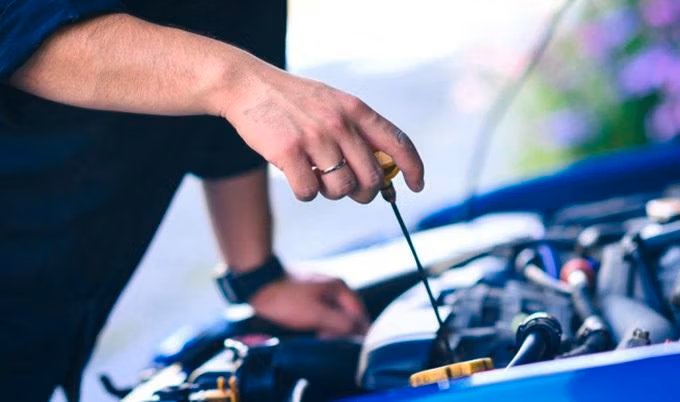
Some vehicles even have an onboard computer that can help keep your engine running smoothly. It is a good idea to check the oil level on the dipstick at least once a month.
If you notice a drop in the pressure on the gauge, it is best to act immediately. Low oil pressure can cause your engine to overheat, which can lead to expensive repairs.
Another problem is an overfilled crankcase. This can be caused by either adding too much oil or not properly draining out old engine oil.
Internal leaks can also be an issue. Damaged or worn valve stems and seals can allow oil to leak into the cylinders, and a faulty oil filter can also be a source of internal leaks.
A few common signs that you need an oil change include blue-grey smoke from the engine. You might also hear a knocking sound from your vehicle.
Older engines typically require more oil than newer engines. If you are unsure how much oil your vehicle has, a good rule of thumb is to change the oil every three to six months.
Oil’s color depends on its thickness and weight. As it ages, the color will darken, and the oil’s lubricating properties will decrease.
Liquids are leaking from under the car
The presence of a liquid or fluid under a car can indicate a number of different problems. Some are harmless, while others can indicate an issue that may require a professional diagnosis.
One of the most common types of leaks under a car is engine oil. This fluid is generally brown or black and has a slightly burnt odor.
Another type of car leak is transmission fluid. Transmission fluid is red or reddish in color, but it can be difficult to distinguish from oil. A loose pan or a malfunctioning engine may cause a leak.
If you are unsure what is leaking, it is best to take your car to a mechanic. They can pinpoint the source of the leak and make repairs. Depending on the size of the leak, the cost can be as little as $10 or as high as $100.
Many owners assume a car leak is caused by oil. However, it is important to remember that vehicles use many different fluids.
The most common car leak is engine oil. An oil leak usually appears as a driveway or garage floor puddle. There are several different ways to spot an oil leak, including by smell, color, consistency, and texture.
Coolant, or antifreeze, is another common liquid. It is a greenish-yellow or pinkish fluid with a sticky, viscous feel. Sometimes, it is bright orange.
Power steering fluid can also leak, especially if the car has been driven for a long period of time. A power steering leak makes it difficult to turn the wheel and can even cause transmission failure.
Faulty parts
If you own a motor vehicle, you know routine maintenance is necessary to keep it running smoothly. However, if you neglect to do so, your vehicle may be at risk for serious damage and even a crash. In fact, the National Highway Traffic Safety Administration (NHTSA) estimates that 45,000 traffic accidents are caused by a malfunctioning auto. Fortunately, many of these accidents can be prevented by keeping your automobile in top shape. Here are a few tips to help you stay safe and out of harm’s way.
The best way to tell if you are doing your part is to look at your vehicle’s owner’s manual. If you do not understand the mechanics of maintaining your car, your chances of keeping it in tip-top condition are slim to none. Keeping your vehicle in good shape will also save you money in the long run.
While you are at it, remember to keep the tires on your vehicle in check. A poorly maintained tire can lose its grip and cause you to veer off the road or, worse, crash. Also, be sure to inspect your brake lines for any signs of wear and tear. If you’re unsure, take your vehicle in for a service.
Finally, be sure to check your car’s battery. This is a common problem with many vehicles and can be fatal. Luckily, most vehicles today come with a battery backup. Of course, if your car’s battery is dead, you could be stranded on the side of the road with no backup. For the most part, however, batteries are a snap to replace.
Hopefully, this article has armed you with the information you need to ensure your vehicle is in top shape for years.
