

In order to prepare your car for professional auto service and maintenance, there are several things you can do to get it ready. These include checking the tires, brakes, shocks and struts, antifreeze, transmission fluid, and differential.
Check brakes
The brakes in your car are one of the most important safety components. A good system will help you stop your car in a timely manner, while an unreliable system could leave you at risk of a serious accident. When you check the brakes on your vehicle, you’ll be able to avoid expensive repairs.
The brakes should be tested regularly, especially if you travel long distances or drive in remote areas. If you notice a problem, it is best to get it taken care of right away.
One common sign of a failing braking system is a noisy brake pedal. This can be caused by air in the hydraulic system or a leak.
Another common indicator is a mushy brake pedal. This indicates that your brake pads are worn out and that there is a leak in the braking system.
Changing your brake fluid is an inexpensive and effective way to keep your brakes performing properly. Checking the fluid level in your brakes is easy and can be done in your own home.
You may also need to replace your calipers and rotors. You should do this every 50,000 miles.
While you’re checking the brakes in your car, you should also check the lights. Make sure that the headlights and the turn signals are in good shape. Also, have a friend stand behind your vehicle and look for any issues.
Another thing to check for is a brake warning light. This is a system that is part of your anti-lock brakes and can alert you when there is a problem with the braking system.
Check transmission fluid
Before you take your car to the mechanic, it is a good idea to check the transmission fluid. If you notice a change in the color of the transmission fluid, or a smoky smell, you need to replace the fluid. Then, you will be able to catch a problem before it gets worse.
A dipstick can be used to check the transmission fluid. Usually, a dipstick is found underneath the hood of your vehicle. There should be a gear-shaped symbol on the end of the dipstick.
You will need to pour a small amount of automatic transmission fluid down the dipstick tube. Adding more fluid can make your transmission sluggish, or it can cause it to break down. When you add too much, you can damage the seals on the transmission, which will prevent it from functioning properly.

Once you have finished pouring the fluid down the dipstick, you should place the tube in a funnel. Use a lint-free cloth to clean the tip of the dipstick.
After adding the fluid, check the level on the dipstick. If the transmission fluid is too low, it is a sign of a more serious problem. Also, if the fluid looks foamy, you may have added too much.
Transmission fluid is a vital part of your vehicle’s performance. It helps to lubricate moving parts, and prevents them from wearing out. Depending on your car model, you may need to check the transmission fluid more often than usual.
Check differential
When you need professional auto service and maintenance for your vehicle, make sure you check your differential first. Failing to do so can lead to a whole host of problems. A bad differential can lead to damage to the driveshaft, axle, or transmission. Keeping your differential in good condition can help extend the life of your vehicle.
Differentials are part of a drivetrain, and they split torque among the wheels. This allows the wheels to turn at different speeds and helps the car stay on track. They contain interlacing gears and bearings, and they rely on lubrication to keep them running smoothly.
It is a good idea to check your differential before getting your car repaired, especially if you drive on the road a lot. This way you can avoid costly repairs down the road.
Differentials can be noisy, and this can be a sign that they need to be serviced. Getting the differential checked will also let you know if there is a problem with the internal gears.
If you notice a leak in your differential, be sure to have it repaired right away. In some cases, you may need to remove the housing cover or replace a seal.
It is also important to change the fluid. The differential fluid contains gear oil, which keeps your gear from heat damage. Change the fluid when the manufacturer recommends it.
You can find the type of fluid that you need for your vehicle in your owner’s manual. Differentials have a fill hole, and you may see a rubber plug. Pull out the cover gently and check for any leaks.
Check Shocks And Struts
A car’s suspension system is an important part of driving safety. It helps to keep your vehicle from moving off the road when driving over bumps or rough terrain. If the system is not working properly, it can lead to accidents.
While many drivers take shocks and struts for granted, they are an essential component of a vehicle. A faulty strut or shock can cause an increased braking distance, a rough ride, and a loss of control.
Fortunately, there are some easy ways to tell if your car’s shocks and struts are in good shape. First, check your tires. Prematurely worn tires can be an indication of a problem with a strut or shock.
Next, check your steering wheel. Vibration can indicate a faulty strut or shock, which can affect your steering and stability. You may notice a shaking steering wheel, especially if your car has been in a collision.
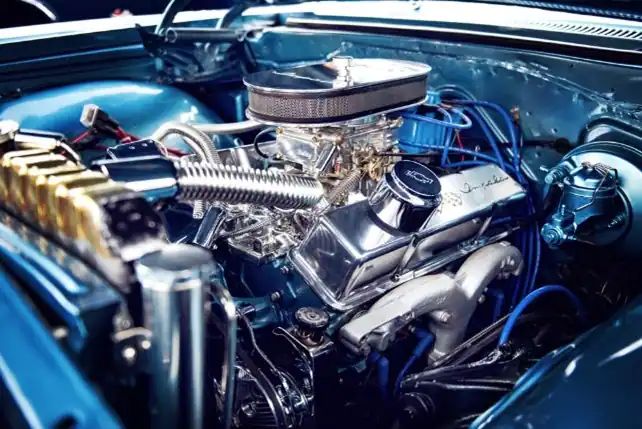
The vehicle’s suspension system also consists of a number of other components. For example, the brakes, tie rods, and control arm bushings are also part of the suspension. These parts are important and can wear out over time. Therefore, it’s a good idea to get them checked on a regular basis.
In addition to checking the tires, struts, and other components, you’ll want to perform a thorough inspection of your vehicle’s suspension system. This is because the failure of any of these components can be hazardous to your safety and the safety of others on the road.
Check antifreeze
Antifreeze is an important part of your car’s performance. It helps keep your engine from freezing up in cold weather, and it provides anti-corrosion properties.
Checking your car’s antifreeze level is a cheap and easy way to protect your car from problems. You should check it before the start of the winter and before the summer heat. Failing to do so can cause serious problems.
In addition to protecting your car from freezing, antifreeze also contains additives that deliver anti-rust and anti-corrosion capabilities. These additives can break down over time, reducing the effectiveness of the coolant.
When your car needs a new coolant, you should contact a professional. Some auto repair shops have experts on staff who can do the job for you. If you do it yourself, take care to use extreme caution.
If you own a high-mileage car, you may need to change the coolant more often. The owner’s manual can help you determine the recommended maintenance schedule for your vehicle.
Your car’s cooling system should be checked every year or so. A hydrometer can be used to check the condition of the coolant.
If your antifreeze starts to get brown, you should flush the radiator out and replace it with a fresh supply. This will keep your radiator from corroding. Also, the smell of burnt coolant can be dangerous.
Changing the coolant can be an easy task, but if you aren’t sure what to do, you can consult a mechanic. They can tell you how much antifreeze you need, and they will fill it with the correct mixture for your vehicle.
Check Tyres
When it comes to auto service and maintenance, one of the most important things to check is your tires. A well-maintained set of tires is crucial to a safe and fuel-efficient ride.
To keep your wheels in tip-top shape, it’s a good idea to rotate your tires every 5,000 miles or so. This will help them to wear evenly, which will extend their life. It will also help to prevent vibrations and noise.
If you have a spare tire, make sure to change it regularly. You can use a tire pressure gauge to do so. The pressure should be at 32 to 35 psi.
Another thing to check is the tread on your tire. Ideally, the tread should be 2/32 inches.
There are several ways to measure the tread on your tire. One way is to place a penny upside down into the tread. The head of the penny should go into the grooves in the tread, and the space above it indicates how much tread is left.
A reputable car repair shop will be able to tell you the best way to check your tire’s tread. Depending on your vehicle, you may have to remove a small portion of the tire to gain a thorough look at it.
Besides checking your tire’s tread, you should take the time to check your lights. These are easy to notice if they’re not working. Also, look for signs of damage to your windshield and taillights.
